Marcia Dietz
Spring 2013 MFA Thesis Exhibition
Drawing Attention
It is clear to see technology is deeply meshed with society. The line between human intelligence and artificial is unclear. It is no longer easy to tell the difference between the artist hand and the results of machine even with the evidence of brush strokes. The aesthetic of smooth perfection no longer proves time well spent by a skilled artist. It is more likely a computer-generated image, photograph, or reproduction. As a result the skilled realistic artist’s work can quickly be dismissed as the product of mass production. Contemporary artists seldom strive for photo-realism instead search for a unique visual expression and interesting mark making. Art and technology have competed for visual superiority since the invention of the camera, ushering in the era of modern art.
In search of unique mark making, automatic drawing became a popular exercise of the surrealists. By allowing the hand to freely move across the paper in a random fashion, embracing chance and accident to the mark making process. The Automatic drawing movement became a popular practice in the early 1940’s and is still utilized today by as an exercise to break through a creative block.
Automatic drawings, though nothing more than non-objective scribbles, still posses the artist hand. Like the handwriting of gibberish, it is still possible to deduce the author. The driving quest for my Thesis is to create a pure automatic drawing, completely absent of the artist hand. The result reveals subtle artistic intentions by contrast.
To accomplish this quest, drawing machines are made from found household objects combined, and battery operated to produce random marks in a variety of artistic medium. The final product is filled with layers of marks with no intention, direction or creativity. The interesting thing is any areas of interest or subjectivity emerge solely from the viewer.
Observing the work and interaction of multiple mark making machines in action is a fascinating experience. Our relationship with technology, and each other, is investigated. Process and experience rise to the level of the final product. Scientific, sociological, psychological, and artistic discourse flows. Answers produce more questions. All resulting in a better understanding of how we work together individually, in society and with technology. My intention is: by defining the absence of a creative force, through random mark making machines, we can better understand its presence.
Like many experimental works, the drawing machines create a unique set of new questions: Where is the art, in the product, in the machine? Is this art at all? And knowing the machine has no creative intention when drawing, why do we still try to see something in it? Does technology enhance or destroy art? This investigation continues the age-old discourse on what “art” is. Is it the final product drawn freely by machine, the machine itself created by the artist, or the experience of watching the machine draw? I prefer to pose and not to answer such questions, because for me, a good work or art creates memories, or starts conversations, a great work does both.
My Thesis Exhibit will include art created solely by machine, solely by human expression, and collaborations of both. Viewers will have the opportunity to see finished works as well as works in progress where they are allowed to participate. The mark making machines range in size from quarter sized “Scribblers” to large “Draw-bots” that can interact in our space. It is my intention to allow the viewers to freely interact with the drawing robots to create a unique art never seen before, this will add yet another layer of unpredictability to the experience. This Exhibit will transpire during the spring quarter which end May 30, 2013.
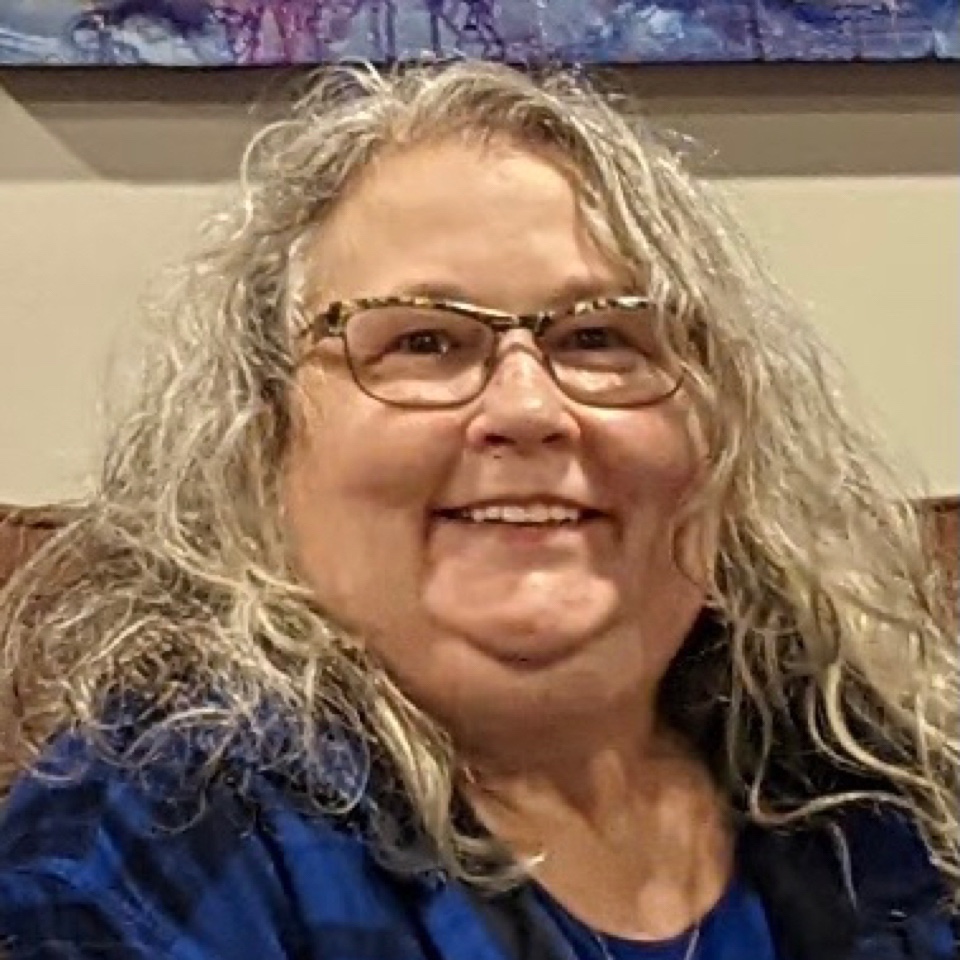
 Fine art by Marcia A Dietz, MFA